
What Can Happen When a Damaged or Unstable Tree Is Left Alone
Ignoring a tree with visible damage can lead to falling limbs, trunk failure, roof damage, power line trouble, and injuries to people nearby. In many cases, small warning signs grow into big and costly problems over time. If a tree in Culpeper, VA is leaning, cracked, hollow, or dropping large branches, it should not be brushed off as a minor yard issue. Fast action can help protect your home, your cars, and everyone on the property.
Quick Diagnosis Summary
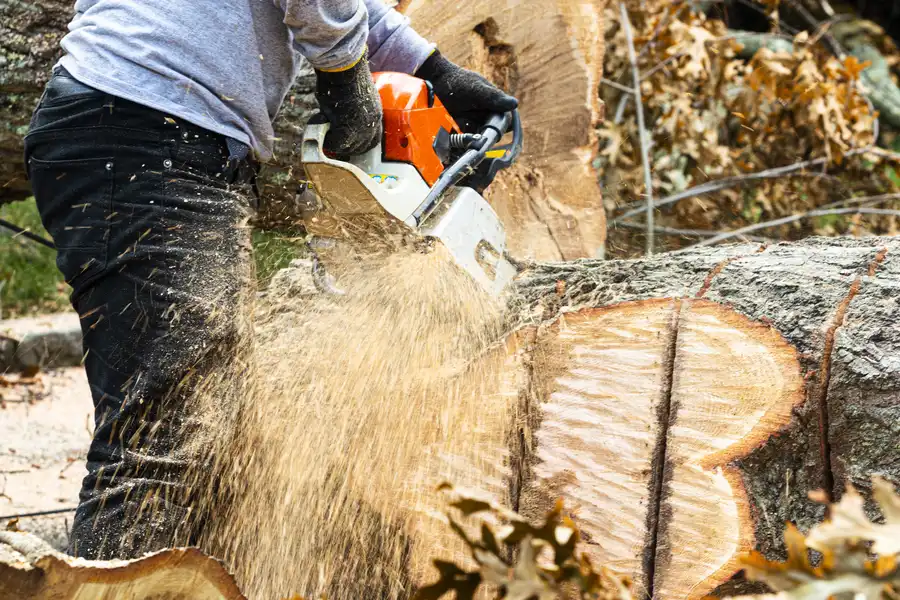
Hazardous trees often give warnings before they fail. A tree may have dead limbs, split bark, exposed roots, or a sudden lean. Some trees look healthy from far away but are weak inside. Storm damage can make things worse fast. When these signs are ignored, the tree may fall without much notice. That is why hazardous tree removal is sometimes the safest step when a tree can no longer be saved.
Common Symptoms
Many property owners do not notice tree trouble until damage is already done. A weak tree can change slowly, which makes the danger easy to miss. Watching for a few common signs can help you act sooner.
- Large dead branches hanging over a roof or driveway
- Cracks in the trunk or where limbs join
- A tree leaning more than before
- Mushrooms growing near the roots or trunk base
- Hollow spots, peeling bark, or soft wood
- Roots that are lifting from the ground
- Leaves missing on one side during the growing season
- Branches falling during mild weather
These symptoms do not always mean a tree will fail today, but they do mean the tree needs a closer look. In some cases, tree care and trimming may help. In other cases, hazardous tree removal is the better answer.
Likely Causes
Tree hazards do not happen for just one reason. Weather, age, disease, and poor growing conditions can all play a part. Heavy wind and rain can weaken a tree that already has decay inside. Dry spells can stress roots. Soil movement can make a tree unstable. Insects and disease can damage the trunk or root system and make the tree unsafe.
Past pruning mistakes can also create weak branch attachments. Construction near the base of a tree may cut roots without the owner knowing it. Even a healthy-looking tree can become dangerous after lightning, a strong storm, or long-term rot. When the support system of the tree is failing, removal may be safer than trying to keep it standing.
What to Check First
If you think a tree may be unsafe, start with a simple visual check from a safe distance. Do not climb the tree or stand under weak limbs. Look at the base, trunk, and canopy. Compare the tree to how it looked last season. Big changes matter.
- Check for new leaning or shifted soil near the roots.
- Look for long cracks in the trunk or major limbs.
- Notice dead branches, bare sections, or hanging limbs.
- Watch for fungus near the base, which can point to decay.
- See if branches are touching your roof, fence, or utility lines.
- Think about recent storms that may have weakened the tree.
If you spot more than one warning sign, do not wait too long. Tree failure can happen during the next storm, or even on a calm day if the wood is badly decayed.
Safe Fixes Vs Pro-Level Fixes
Some minor issues can be handled with basic yard care. Small dead twigs can be cleaned up from the ground. Mulching around roots and watering during dry weather may help reduce stress on a tree that is still stable. Keeping the area clear around the base can also make changes easier to spot.
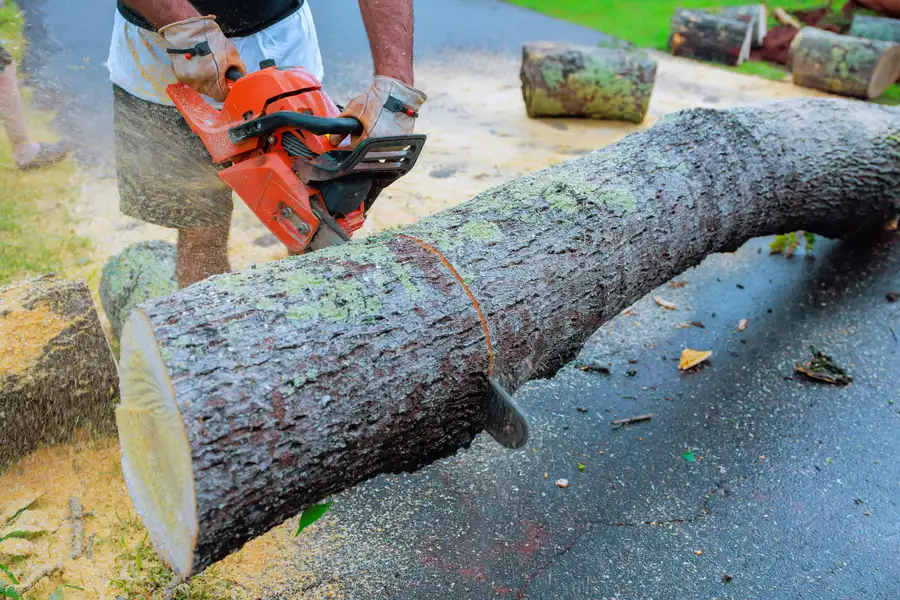
But many tree hazards are not safe for do-it-yourself work. Large dead limbs, split trunks, storm-damaged canopies, and trees near structures or power lines need trained help. Cutting the wrong limb can shift weight and cause a fast break. A leaning tree may look still, yet be close to falling. Hazardous tree removal calls for the right equipment, safety steps, and planning. This is not a simple weekend job.
Prevention Tips
You can lower the chance of sudden tree failure with regular care and quick action. Prevention works best when problems are found early. A healthy tree is less likely to become a danger, though even healthy trees should still be checked after rough weather.
- Inspect trees after storms and high winds
- Remove dead or broken limbs before they get larger
- Avoid cutting roots during driveway or yard work
- Do not pile soil against the trunk
- Water young and stressed trees during dry periods
- Schedule pruning before limbs reach roofs or wires
- Watch for repeat signs of disease or decay
Routine care can extend the life of many trees. Still, once a tree is badly damaged or unsafe, hazardous tree removal may be the most practical way to prevent harm.
Final Recommendation
If a tree on your property shows signs of decay, leaning, cracks, or large dead limbs, do not brush it aside. Waiting can lead to broken roofs, crushed vehicles, blocked driveways, and serious injuries. Culpeper, VA property owners should act early when tree conditions change. At Furr's Tree Service LLC, we can help inspect the problem and explain whether trimming or hazardous tree removal makes more sense. Call us at (540) 729-7748 to set up a visit and get clear next steps.