
The Main Signs Experts Check Before Deciding If a Tree Is Safe
Professionals assess hazardous tree stability by checking the trunk, roots, branches, lean, soil, and signs of decay or damage. They look for weak spots that can make a tree fail during wind, rain, or normal aging. In Culpeper, VA, this often means checking how storms, wet soil, and past trimming work have affected the tree. The goal is to see if the tree can stay standing safely or if hazardous tree removal is the safer next step.
What You Need Before Starting
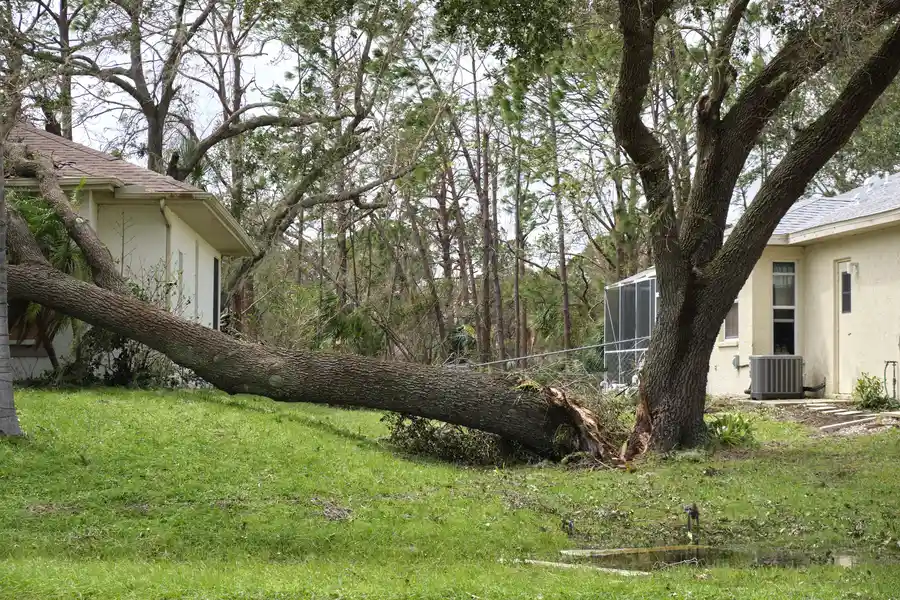
Before a tree expert begins, a few basic details help. The age of the tree, recent storm damage, changes in the ground, and any branch drop can all point to trouble. A full service category review may also include the tree’s species, how close it is to a home, and whether cars, power lines, or play areas sit below it. These details help shape the inspection.
Experts also look at the tree’s history. A tree that was topped years ago may have weak new growth. A tree with cut roots from a driveway project may no longer have strong support. Even a healthy-looking tree can have hidden damage inside.
Step-by-Step Process Professionals Use
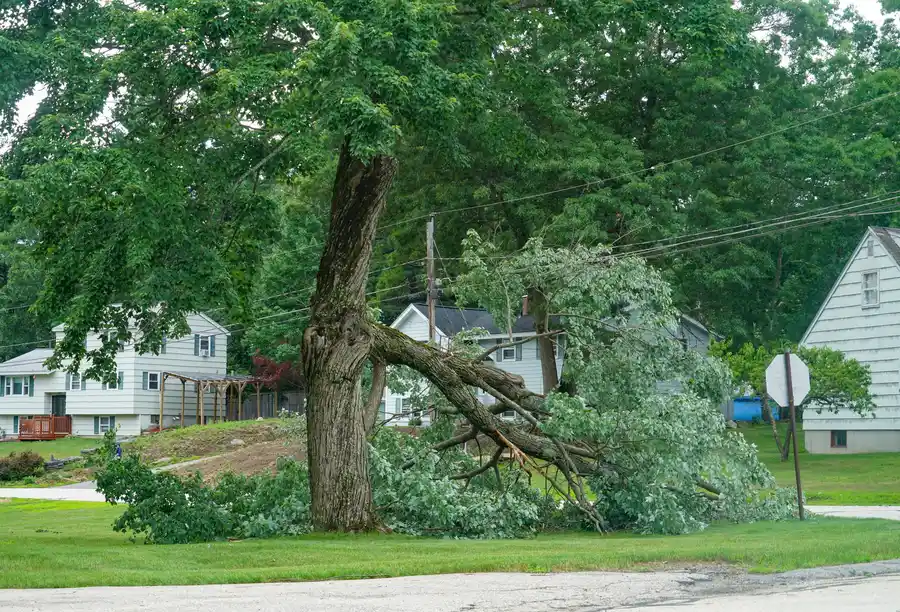
Most inspections follow a clear path from the ground up. The tree is viewed from different angles first. Then the expert moves closer to inspect the bark, root flare, limbs, and nearby soil. If needed, special tools may be used to check decay, cracks, or hollow areas.
- Look at the whole tree from a distance.
- Check whether the tree leans more than it used to.
- Inspect the soil for lifting, cracking, or heaving roots.
- Examine the trunk for splits, cavities, dead bark, or fungi.
- Check major limbs for cracks, dead wood, and weak branch unions.
- Look at the canopy for thinning leaves or dead upper branches.
- Review nearby targets like roofs, sidewalks, and utility lines.
- Decide whether monitoring, pruning, support, or hazardous tree removal is needed.
That last step matters a lot. A weak tree in an open field may not pose the same risk as a weak tree hanging over a child’s bedroom or busy driveway. Tree risk is not only about tree health. It is also about what the tree could hit if it fails.
Common Signs That a Tree May Be Unstable
Some warning signs are easy to spot. Others are hidden until a trained eye finds them. Here are some of the most common red flags professionals watch for.
- Fresh leaning or sudden movement after a storm
- Cracks in the trunk or at large branch joints
- Mushrooms growing near the base
- Large dead limbs in the upper canopy
- Hollow spots or missing bark
- Roots cut by construction or trench work
- Soil lifting on one side of the tree
- Two trunks joined with a weak split
A tree does not need to show every sign to be dangerous. Sometimes one major crack is enough to make failure likely. Other times, several smaller issues together create a serious problem.
Common Mistakes People Make
One common mistake is judging a tree by leaves alone. A tree may still leaf out in spring even when the trunk is decayed inside. Another mistake is waiting until the next storm to see what happens. If the tree is already unstable, delay can make the risk worse.
People also confuse dead branches with normal seasonal change. Some trees leaf out later than others, but bare limbs mixed with trunk cracks or root damage can point to a bigger issue. Another mistake is trying to seal cavities or fill holes with foam or concrete. That does not fix the tree’s structure.
When Hazardous Tree Removal May Be the Safest Choice
Not every weak tree needs to come down. Some can be pruned, cabled, or watched over time. Still, hazardous tree removal is often the best path when the trunk is badly split, the root system is failing, or the tree leans toward a high-use part of the property.
Removal is also common when decay has spread through major support wood. If a tree has lost too much strength, trimming alone may not lower the risk enough. This is especially true for large trees close to homes, garages, fences, or streets.
When to Call a Professional
You should call a professional if the tree changed after a storm, started leaning, dropped large limbs, or shows decay at the base. It is also smart to schedule an inspection before building work near roots or before buying a property with old trees. A trained expert can spot problems that are easy to miss from the ground.
Inspections are about safety, not guesswork. Climbing a damaged tree or cutting heavy limbs without the right gear can lead to injury or property damage. When the tree is large or near structures, professional help is the safer move.
Get Clear Next Steps for Your Tree
If a tree on your property seems unsafe, we can help you sort out the next step. Our team checks trees throughout Culpeper, VA for signs of failure, storm damage, and decay. If removal is the right answer, Furr's Tree Service LLC can explain the process in plain language. Call us at (540) 729-7748 to set up a visit and get practical guidance for your property.