
How Regular Pruning Supports Safer, Stronger, Longer-Lasting Trees
Tree pruning service benefits for healthy tree growth include better branch structure, fewer weak limbs, improved air flow, and a lower chance of disease. Pruning also helps trees grow in a balanced way, which can protect nearby roofs, cars, and walkways. For many property owners in Culpeper, VA, routine trimming is one of the simplest ways to keep trees healthy and reduce future problems.
Why Prevention Matters
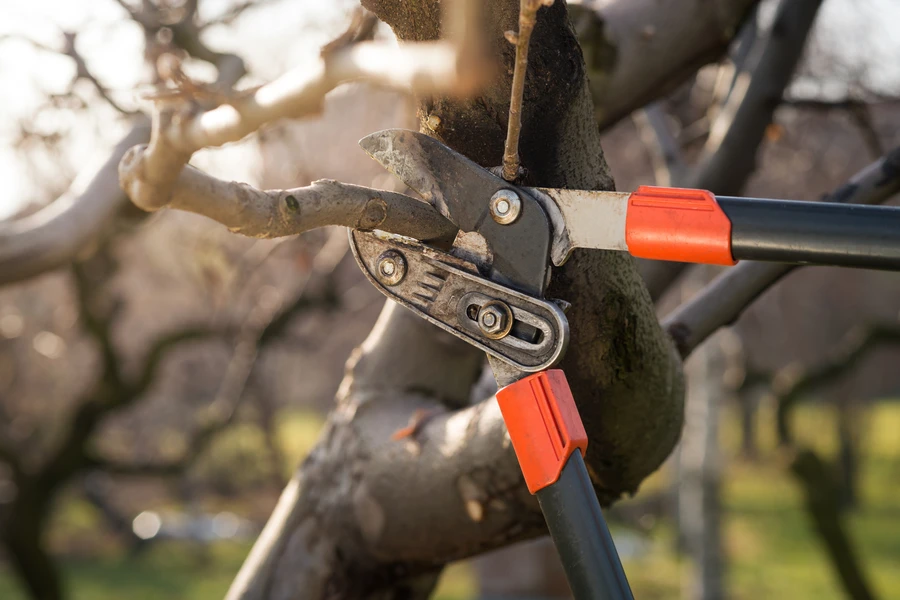
Trees keep growing year after year. If branches are left alone for too long, they can cross, rub, crack, or grow too close to a house. Dead limbs may also stay in place until a storm brings them down. A tree pruning service helps stop many of these issues before they get worse. Preventive care is often easier on the tree because small cuts heal better than large ones. It also helps the tree use its energy in the right places, like strong limbs and healthy new growth.
Early Warning Signs
Many trees show small signs before a bigger problem starts. Spotting them early can help you act at the right time. You may notice branches that hang low, limbs with no leaves, or spots where two branches are rubbing together. Some trees become too thick in the middle, which blocks sunlight and traps moisture. That can lead to disease, pest activity, or weak growth.
- Dead or broken branches
- Limbs touching siding, gutters, or power lines
- Thick inner growth with poor air movement
- Branches that cross or rub
- Cracks where large limbs join the trunk
- New shoots growing fast in odd directions
If you see one or more of these signs, a tree pruning service may help protect the tree and the space around it. This kind of tree care can also improve shape and light flow across the yard.
Seasonal or Routine Checklist
Pruning does not always happen on the same day every year for every tree. The best timing depends on tree type, age, health, and recent weather. Still, a simple routine can help property owners stay ahead of problems.
- Walk the property every season and look for damaged limbs
- Check branches after storms or high winds
- Watch for limbs growing toward the roof or driveway
- Look for diseased wood, hollow spots, or peeling bark
- Trim small problem limbs before they become large ones
- Schedule a professional review for mature or hard-to-reach trees
Late winter and early spring are common times for pruning many trees, but that is not true for all species. Some flowering trees need trimming after blooms fade. Some damaged branches should be removed right away, no matter the season. A service category keyword can include trimming, corrective pruning, crown thinning, and deadwood removal, depending on what the tree needs.
Best Practices for Long-Term Results
Good pruning is about more than cutting branches. Each cut should have a clear purpose. The goal is to support healthy growth, not just make the tree smaller. A proper tree pruning service removes problem limbs while keeping the natural shape of the tree. That is one reason random cutting can do more harm than good.
Long-term results usually come from a few smart habits. Remove deadwood before it falls. Thin crowded areas to improve light and air movement. Cut weak branch unions before they split. Keep young trees on a training plan so they develop strong form early. Mature trees often need less cutting, but they still benefit from regular checks.
It also helps to avoid removing too much at one time. Large cuts can stress a tree and slow recovery. In many cases, light, planned pruning over time is better than one heavy trimming session. Healthy roots, proper watering, and mulch also support recovery after pruning.
What Not to Do
Some pruning mistakes are common and can lead to lasting damage. Topping is one of the biggest examples. This means cutting back large branches to stubs. It may make a tree look smaller for a short time, but it often leads to weak regrowth, decay, and stress. Another mistake is cutting too close to the trunk, which can remove the branch collar and make healing harder.
- Do not top the tree
- Do not remove too much live growth at once
- Do not leave torn or jagged cuts
- Do not prune near power lines without trained help
- Do not ignore dead limbs high in the canopy
Using dull tools can also tear bark and leave rough wounds. Poor timing may raise the chance of insect or disease problems in some tree types. If a tree is large, leaning, storm-damaged, or close to structures, the risk goes up fast.
When to Schedule Professional Help
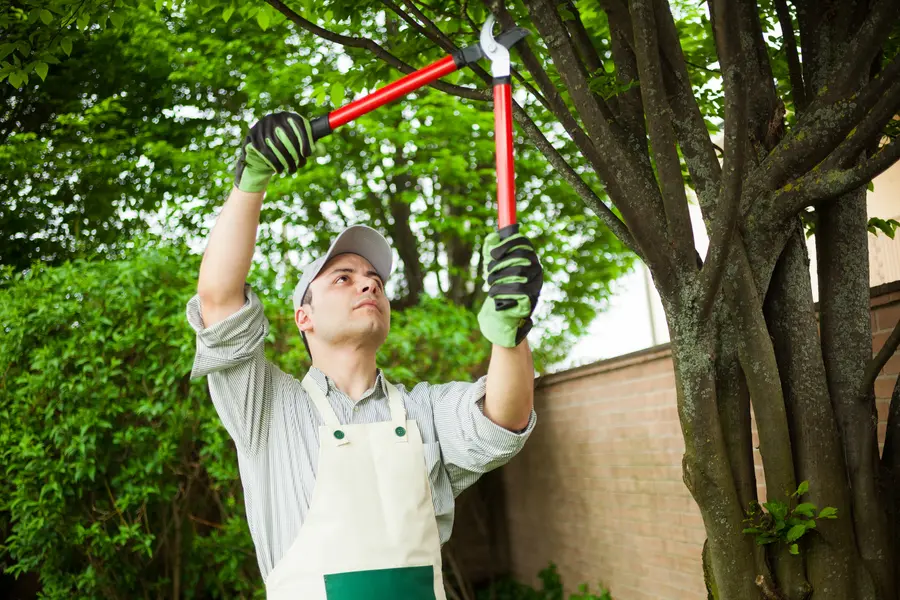
Some jobs are fine for basic hand tools and small branches near the ground. Others need trained crews, safety gear, and a clear plan. A professional tree pruning service is a smart choice when branches are high, heavy, or close to hazards. It also helps when you are not sure what should be removed and what should stay.
You may want expert help if the tree has major dead limbs, signs of disease, split branch unions, or growth over a home or street. Professional pruning can also help younger trees that need shape training and older trees that need careful thinning. The right cuts can improve safety while keeping the tree healthy and stable.
Get the Right Help for Healthier Trees
If you need help with trees on your property in Culpeper, VA, we can inspect the branches and explain the next steps in plain language. We focus on safe, practical care based on the tree’s condition and surroundings. To learn more or set up service, contact Furr's Tree Service LLC today at (540) 729-7748, and we will be glad to help.